Why Everyone Is Talking About the New Labour Code?
Over the last few years, few regulatory changes have generated as much discussion, and confusion, as India’s New Labour Codes.
Headlines often suggest sweeping disruptions:
- Allowances capped
- Take-home salaries to fall
- CTC structures to be rewritten
But once you move past the noise, a more balanced picture emerges.
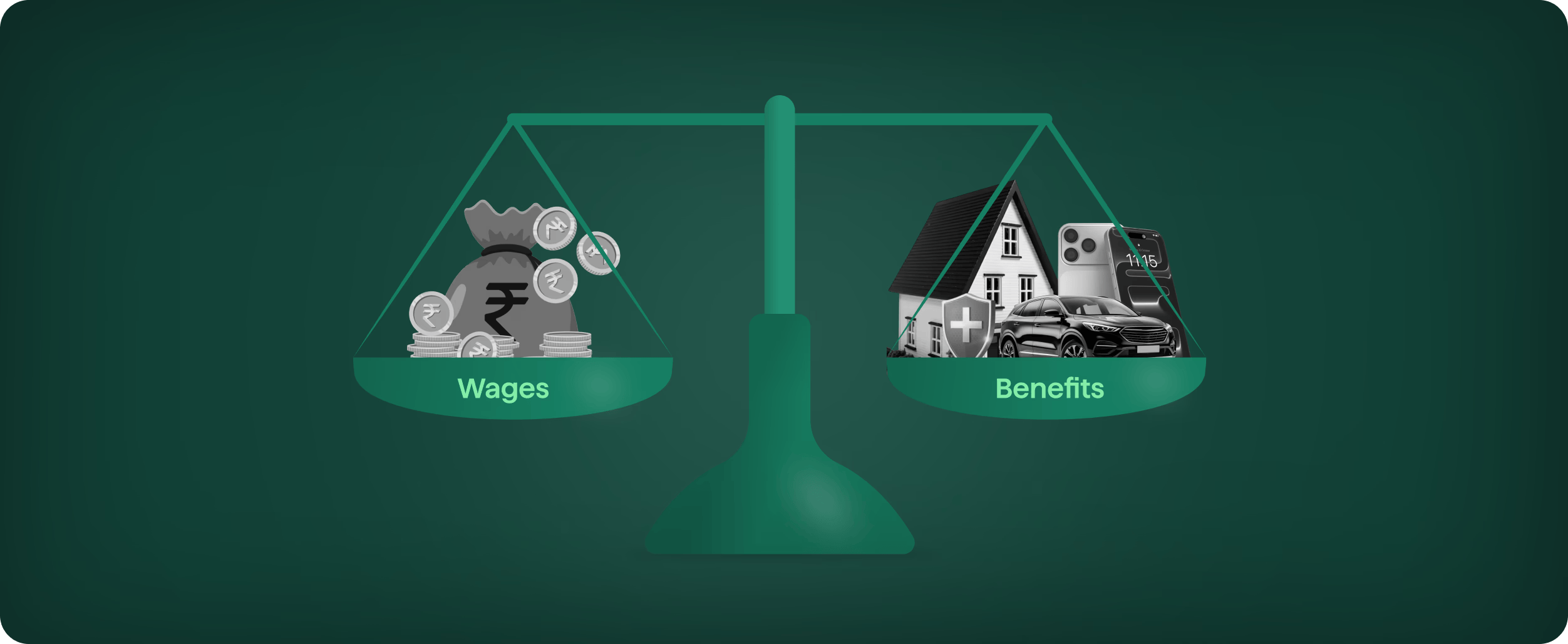
The New Labour Codes are not about reducing employee benefits. They are about bringing clarity, standardisation, and fairness to how wages are defined and how statutory contributions are computed.
This blog breaks down:
- What the New Labour Codes actually say
- How wages differ from CTC and basic salary
- What changes for employers and employees
- How modern salary-linked benefits can still be structured compliantly
The Four Labour Codes (Quick Context)
India consolidated 29 central labour laws into four codes:
- Code on Wages
- Industrial Relations Code
- Social Security Code
- Occupational Safety, Health and Working Conditions Code
For salary structuring and payroll, the most relevant is the Code on Wages.
What Is the Core Change Under the Code on Wages?
The Most Important Rule (Simplified)
“Wages must be at least 50% of total remuneration.”
That’s it. That single line drives most of the discussion.
But what does it actually mean?
Understanding “Wages” vs “CTC” vs “Allowances”
What is CTC?
CTC (Cost to Company) is a commercial concept. It includes everything the employer spends on an employee:
- Salary
- Statutory contributions
- Benefits
- Insurance
- Variable pay
CTC itself is not defined in law.
What is “Wages” under the Code?
The Code defines wages as:
- Basic salary
- Dearness allowance (if applicable)
- Retaining allowance (if applicable)
It excludes:
- HRA
- Bonuses
- Statutory employer contributions
- Reimbursements
- Benefits in kind (up to limits)
But there’s a catch.
The 50% Rule Explained Clearly
If excluded components exceed 50% of total remuneration, the excess amount is added back to wages.
Example (monthly):
|
|
| Component |
Amount |
| Basic |
₹40,000 |
| HRA + Allowances |
₹60,000 |
| Total |
₹1,00,000 |
Here, wages = ₹40,000 (40%), which is below the 50% threshold.
So ₹10,000 gets added back to wages to make wages = ₹50,000.
What This Means for Employers
- PF, gratuity, and other statutory contributions
These are calculated on wages, not on total CTC.
If wages increase:
- Employer PF contribution may rise
- Gratuity liability increases over time
This is why companies are reviewing salary structures, not because they must eliminate benefits, but because they must balance components thoughtfully.
- Allowances are not banned
This is a common misconception.
The Code does not say:
- Allowances are illegal ❌
- Benefits must be removed ❌
- Flexi structures must end ❌
It only says:
Allowances + exclusions cannot exceed 50% of remuneration.
That still leaves significant room for benefits and flexibility.
What About Benefits in Kind?
The Code explicitly recognises benefits provided other than cash.
Examples:
- Cars
- Accommodation
- Insurance
- Tools required for work
However, there is an important safeguard:
Benefits in kind can be excluded from wages up to 15% of total wages.
This provision exists to ensure that genuine, work-related, non-cash benefits are not forced into wage computation.
Why This Matters for Modern Benefit Programs
As organisations evolve, benefits are no longer just cash allowances.
They are:
- Productivity tools
- Retention levers
- Experience enhancers
Examples:
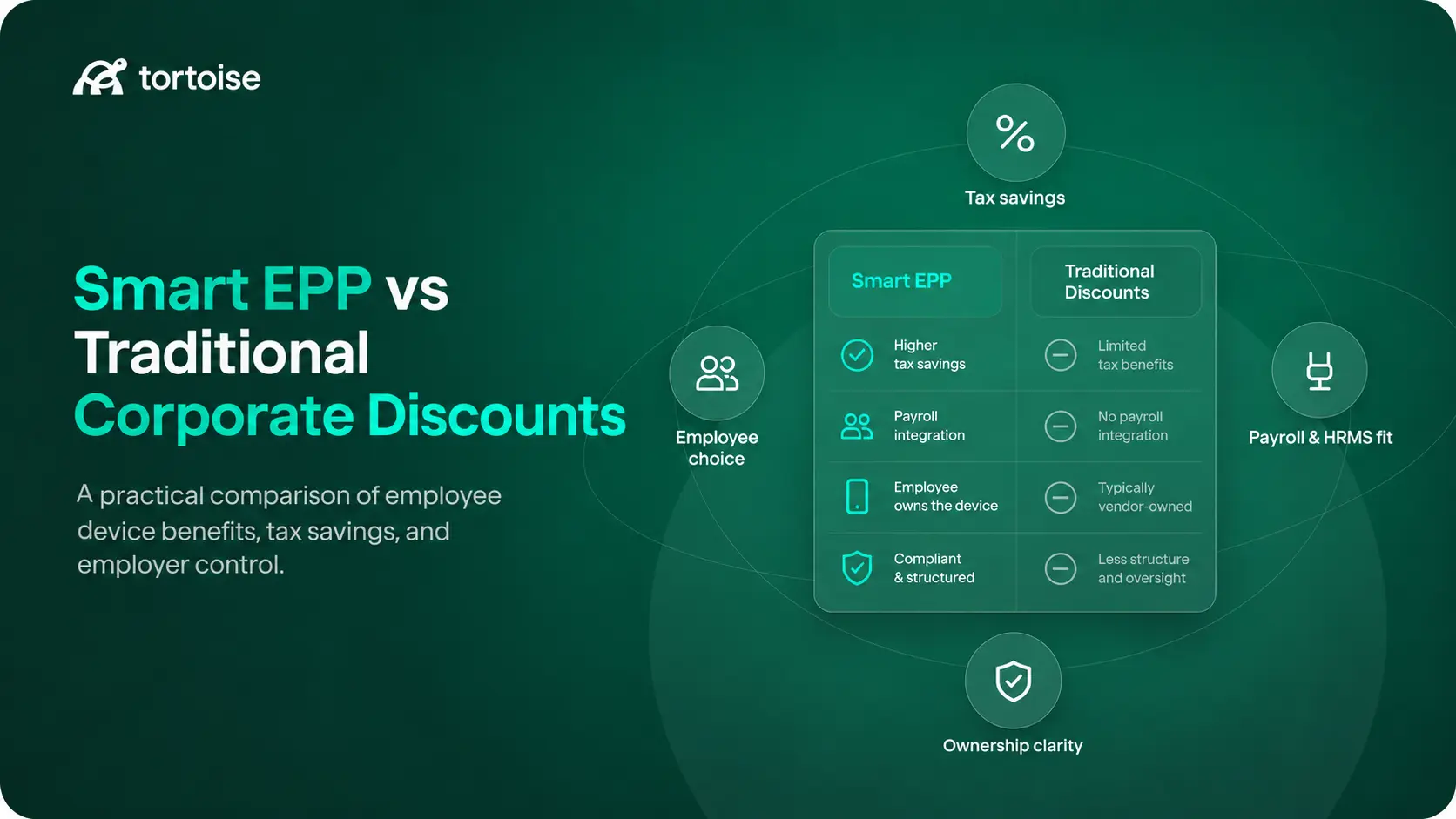
- Device leasing programs
- Car leasing
- Insurance benefits
- Employer-provided work tools
These benefits:
- Are not cash
- Are governed by policy
- Can be withdrawn or repossessed
- Are linked to employment
Which is why they fit naturally within the framework of the New Labour Code, when structured correctly.
A Practical Lens: Salary-Linked Benefits Under the New Labour Code
Well-designed salary-linked benefits typically:
- Sit within the allowance portion of CTC
- Do not disturb the 50% wage floor
- Are clearly documented on payslips
- Are recoverable via payroll
- Maintain transparency in Form 16
The key is design, not avoidance.
What Changes for Employees?
Positives
- Clearer wage definition
- Stronger social security base
- Better transparency in payslips
Neutral (Not Negative)
- Take-home does not automatically reduce
- Benefits do not disappear
- Flexibility still exists within limits
Most impacts are structural, not punitive.
What Employers Should Focus On (Instead of Worrying)
- Re-evaluate salary splits, not total compensation
- Maintain wage ≥ 50% of remuneration
- Use benefits intentionally, not as disguised cash
- Document policies clearly
- Ensure payroll systems can trace deductions and benefits
The Bigger Picture
The New Labour Codes are not anti-benefit.
They are anti-opacity.
They push organisations to:
- Be clear about what is salary
- Be honest about what is benefit
- Be consistent in how employees are treated
For companies that already operate transparently, the transition is evolutionary, not disruptive.
Closing Thought
The New Labour Code does not eliminate flexibility.
It demands discipline.
And when benefits are designed as:
- Policy-driven
- Non-cash
- Transparent
- Employment-linked
They don’t just survive under the new regime; they fit better than ever.
Disclaimer: This article is for informational purposes only and does not constitute legal or tax advice. Organisations should consult their professional advisors for implementation.